The problem
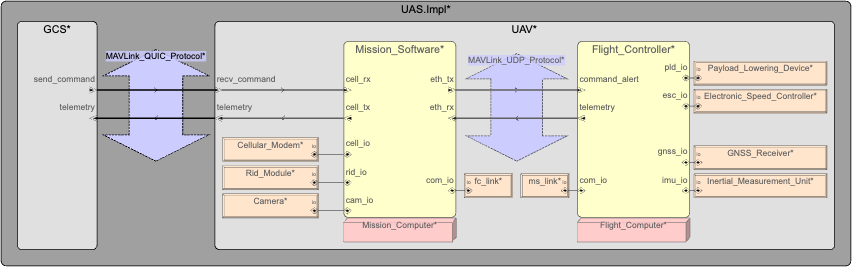
High-density urban airspace connects many ground control stations, aircraft, and service suppliers built by different organizations. Security assessments of such systems are traditionally expert reasoning exercises: hard to review, easy to leave undocumented, and costly to repeat whenever the architecture changes.
Our approach
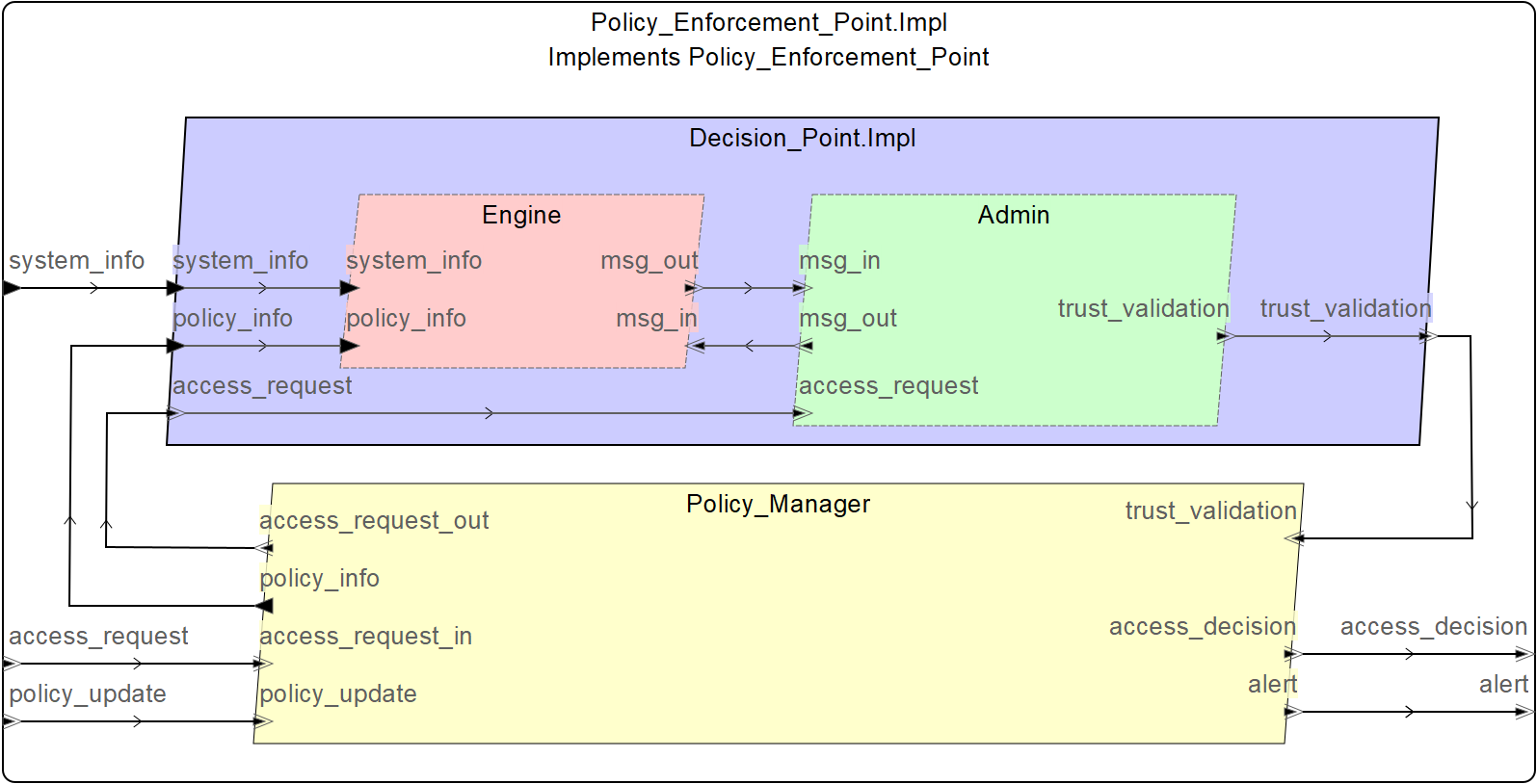
- Zero-trust design patterns. Collins Aerospace identified new zero-trust patterns for urban airspace (a zero-trust controller, public key infrastructure, a trusted cryptographic engine, and data-leak protection) and updated existing patterns, modeling them in the Architecture Analysis and Design Language (AADL).
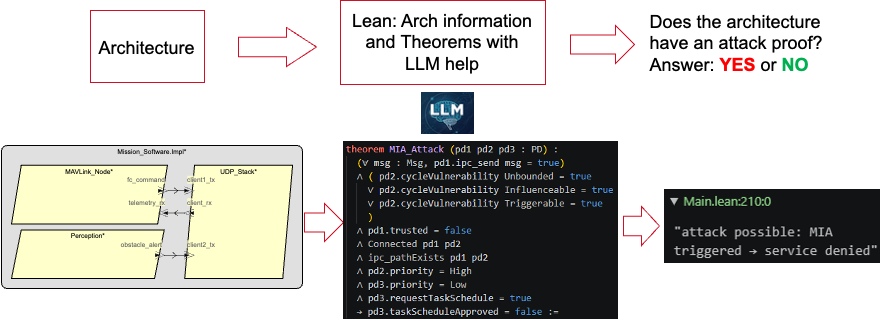
- Assessments you can re-run. Collins and Vanderbilt are building a toolchain in which a large language model proposes candidate theorems about an architecture and the Lean theorem prover checks them. The result is a machine-checked, re-executable argument about whether a specific attack is possible.
- From analysis to implementation. The same architecture used for attack reasoning also guides deployment on the seL4 microkernel, so what is analyzed is what is built.
- Explainable assurance. Joint Vanderbilt–Collins work makes explicit why a design meets its requirements and why safety and security concerns are mitigated.
Looking ahead
The team is growing a library of formalized attacks and defenses that supports security analysis across the project’s use cases.